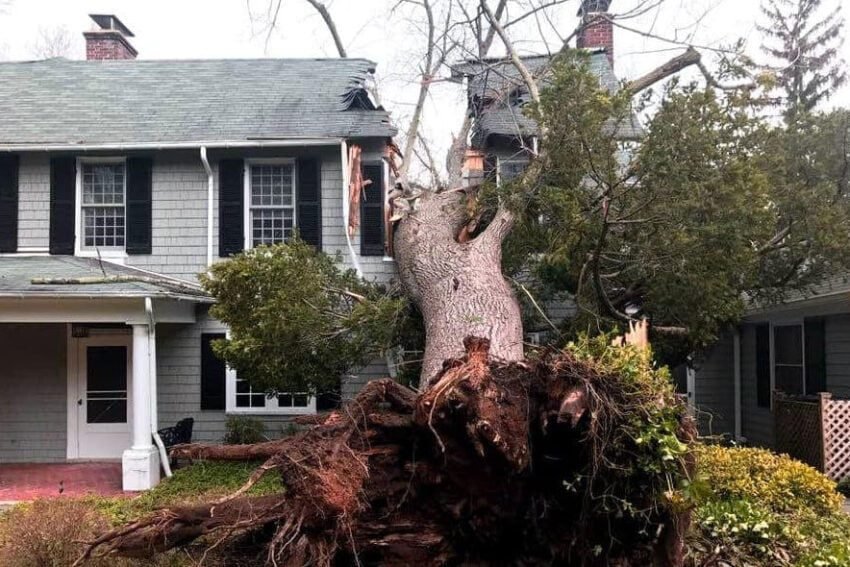
When a heavy storm or strong wind hits the Springfield region, the risk of a tree falling on your property rises. That’s why choosing reliable emergency tree services in Springfield is critical for local homeowners. At Springfield Tree Service, we know the urgency and provide prompt assistance when you need it most.
In this blog, we’ll guide you through the immediate steps to take when a tree falls unexpectedly, explain the process, and provide safety tips to ensure you stay safe while our team steps in to help. We’ll also share practical prevention tips and highlight why trusting certified arborists ensures quicker recovery, reduced property damage, and long-term safety for your home and family.
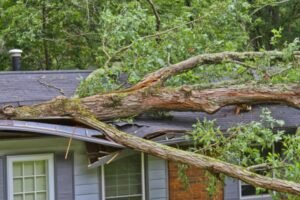
Initial Steps After a Tree Falls
1. Ensure Safety First
Safety comes before everything else. Check for injuries and stay clear of hazards until professional help arrives.
- Check if people or pets are injured — call 911 if medical attention is needed.
- Stay clear of the fallen tree, especially if it’s touching power lines or leaning on structures.
- Avoid walking under hanging limbs or branches that may still be in danger of falling.
2. Contact the Right Help
Immediate action prevents further damage. Call a trusted local company for emergency tree services in Springfield.
- Dial our 24/7 emergency hotline at Springfield Tree Service — we’re ready to respond.
- Provide exact location, details of damage (roof, car, power line), and access instructions.
- Verify that the crew is certified, insured, and uses the proper equipment for emergency tree services in Springfield.
3. Document the Scene
Photos and notes support both insurance and cleanup decisions.
- Take photos of the fallen tree, property damage, and nearby hazards.
- This documentation supports claims if your home insurance policy covers removal.
- Keep any communications and invoices for later reference.
4. Secure the Area
Prevent others from entering the danger zone until professional help arrives.
- Use cones, ropes, or tape to mark restricted zones.
- Block access to driveways or walkways near the fallen tree.
- Turn off outdoor power if lines are nearby.
5. Notify Your Insurance Company
Quick reporting speeds up claims and helps determine coverage for removal or repair.
- Contact your insurer as soon as possible.
- Provide photos, receipts, and a brief damage summary.
- Follow up with Springfield Tree Service’s professional report for verification.
What Happens During an Emergency Removal?
Assessment & Hazard Identification
The first step in any emergency response is a detailed safety assessment. Our certified arborists carefully inspect the entire scene to determine the safest and most efficient way to remove the fallen tree. When our team arrives, we:
- Inspect the tree’s condition, lean direction, and structural risk.
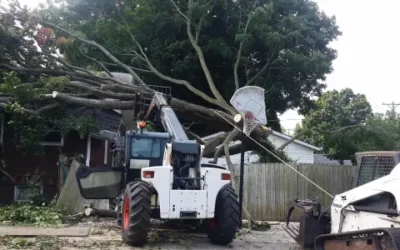
- Identify if powerlines, buildings, or driveways are affected.
- Decide whether crane services or elevated equipment are required.
Removal & Cleanup
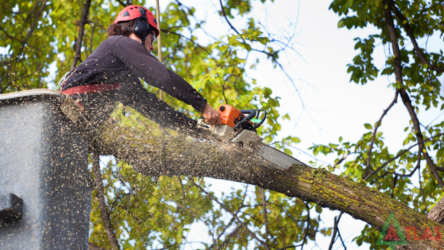
Once the area is secured, our crew begins the removal process with precision and care. Using advanced equipment, we ensure every cut, lift, and clearance is handled safely and efficiently. We carry out:
- Safe sectioning of the tree, often from the top down to avoid further damage.
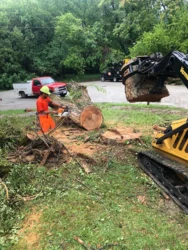
- Debris removal, wood-chip clearing, and stump-grinding if required.
- Final inspection to ensure no remaining hazards remain.
Why Speed Matters
Time is crucial in an emergency tree situation. A delayed response can exacerbate property damage, increase safety hazards, and result in higher removal costs due to additional instability or debris. Choosing prompt help for emergency tree services in Springfield prevents:
- Further damage from secondary collapse (for example, during after-winds).
- Safety risks to residents and passers-by.
- Greater costs due to a more complex removal later.
Cost, Insurance & Local Considerations
1. Typical Costs
Emergency tree removals often cost more than routine services because they require rapid mobilization, specialized machinery, and after-hours labor. Prices vary depending on the tree’s size, location, and the extent of damage.
- Higher rates due to urgent crew dispatch and risk level
- Additional charges for power line interference or crane use
- Small trees: $300–$800; large or hazardous trees: $1,000+
- Cleanup, stump grinding, and hauling add to the overall cost
- Preventive trimming and inspection help reduce future emergency expenses
2. Insurance Coverage
Insurance coverage for fallen trees depends on the circumstances surrounding the incident. Most policies include coverage for storm-related damage, but exclusions apply for neglect or non-structural damage. Always confirm coverage details before filing a claim.
- Covered causes include storm, lightning, or substantial wind damage
- Exclusions: tree decay, poor maintenance, or no property damage
- File claims promptly with clear photos and expert reports
- Keep invoices and correspondence for documentation
- Call your insurer and Springfield Tree Service for coordinated support
3. Springfield-Specific Factors
Springfield’s weather patterns and tree varieties pose unique challenges. Frequent thunderstorms, heavy winds, and aging oak trees increase the need for prompt, local responses from certified professionals. Local experience ensures safer, faster, and compliant service.
- Familiarity with Springfield’s local ordinances and tree regulations
- Knowledge of native species and storm-prone zones
- Quick dispatch due to proximity within the metro area
- Coordination with local power and utility companies
- Trusted emergency tree services Springfield team offering 24/7 availability
Preventing Future Emergencies
Regular Tree Inspections
- Hire a certified arborist to check trees annually for disease, decay, or root instability.
- Weak limbs, cracks, or leaning trees are red flags.
Proactive Maintenance
- Prune dead branches and thin canopies to reduce wind resistance.
- Remove trees that are too close to homes, power lines, or driveways.
- Good maintenance reduces the likelihood you’ll need urgent emergency tree services in Springfield.
Post-Storm Monitoring
- After heavy winds, inspect your trees for split trunks, loosened root balls, or newly leaning trees.
- Address concerns quickly before they worsen.


Why Choose Springfield Tree Service for Your Emergency Needs?
When disaster strikes, you need a dependable local team that responds fast, works safely, and restores normalcy with precision. That’s precisely what our experts deliver.
- We offer 24/7 response specifically for emergency tree services in Springfield.
- Licensed, insured crews with experience handling fallen trees, storm damage, and clean-ups.
- Local knowledge means faster arrival, better coordination with utility companies, and safe removal.
- We prioritize safety and clear communication from call-in to final cleanup.
Conclusion
Fallen trees are scary, but you don’t have to face them alone. Our team at Springfield Tree Service is here to help with trusted emergency tree services in Springfield when you need it most. Act quickly, stay safe, and rely on our local professionals to restore your property and peace of mind.
For immediate help, call Springfield Tree Service today and let us handle your emergency tree removal with professionalism and care.